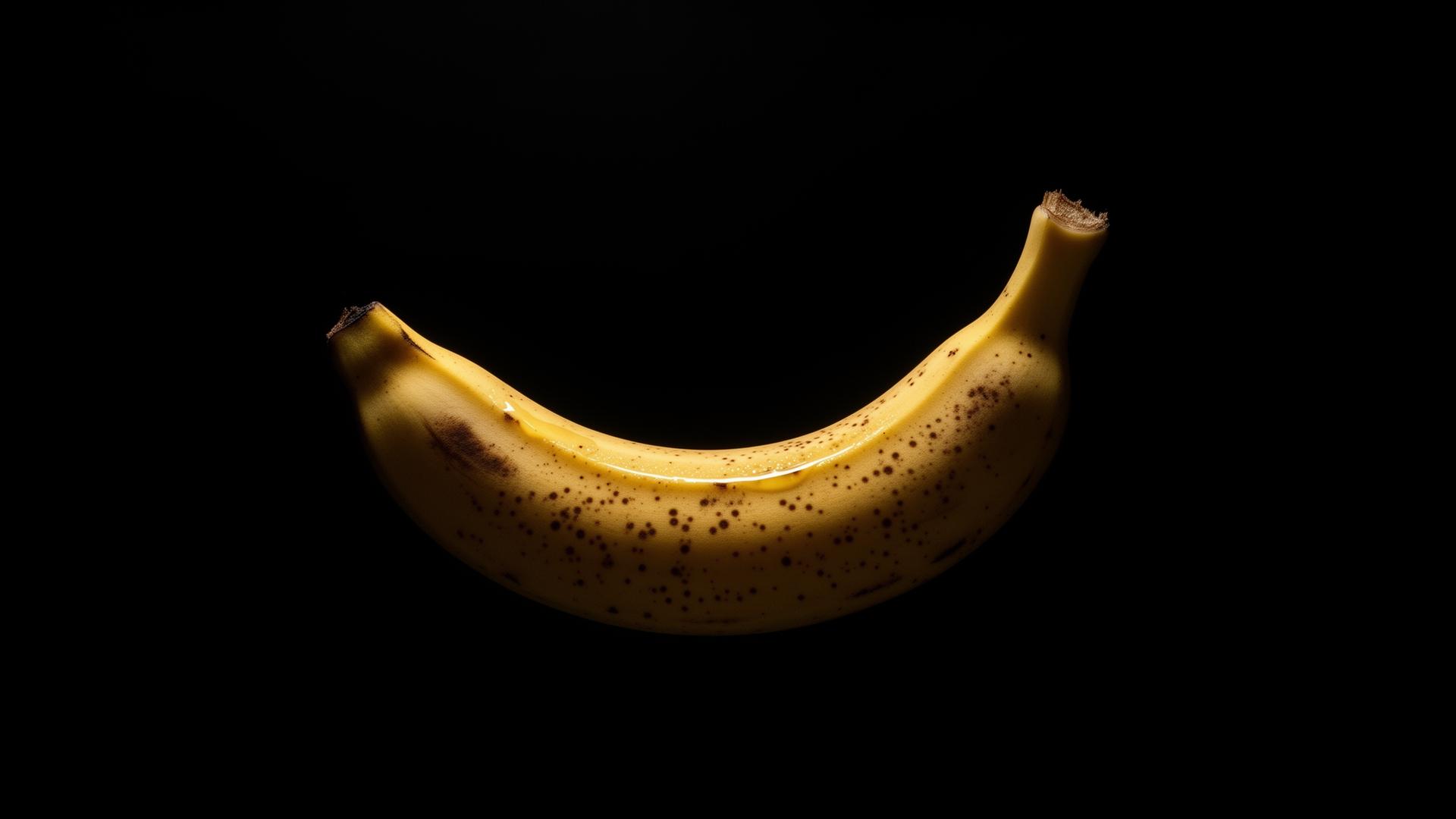
The price of a banana,
tracked to the cent.
Real-time per-pound banana pricing across the United States. Powered by USDA Market News, BLS Consumer Price Index, and live store-level data from your zip code.
Two years of every cent per pound.
Monthly retail averages from the U.S. Bureau of Labor Statistics consumer price series for bananas, normalized to dollars per pound.
U.S. Bureau of Labor Statistics — Average Retail Food Prices, series APUS000071211. Organic prices modeled at a 40% premium over conventional (USDA AMS Specialty Crops Market News).
What does a banana cost in your zip code?
Live shelf prices from Kroger’s product API, cross-referenced with USDA Market News data. No login. No tracking.
Worth the premium?
The honest side-by-side. Organic costs roughly 44 percent more, but bananas already have one of the lowest pesticide residue ratings of any imported fruit thanks to their thick peel.

For most shoppers, conventional bananas are the better value.
Bananas have one of the lowest pesticide residues among imported fruits.
Average household pays about $28/yr more by choosing organic.
One medium banana.
118 grams. Roughly the size of a postcard. Source: USDA FoodData Central, FDC ID 1102653 (raw, ripe Cavendish).
Macronutrients
Per 118gVitamins & minerals
% daily valueFive stages, five different fruits.
A banana is not one ingredient — it's five. The same fruit you'd never put in oatmeal is the only one you'd ever put in banana bread.
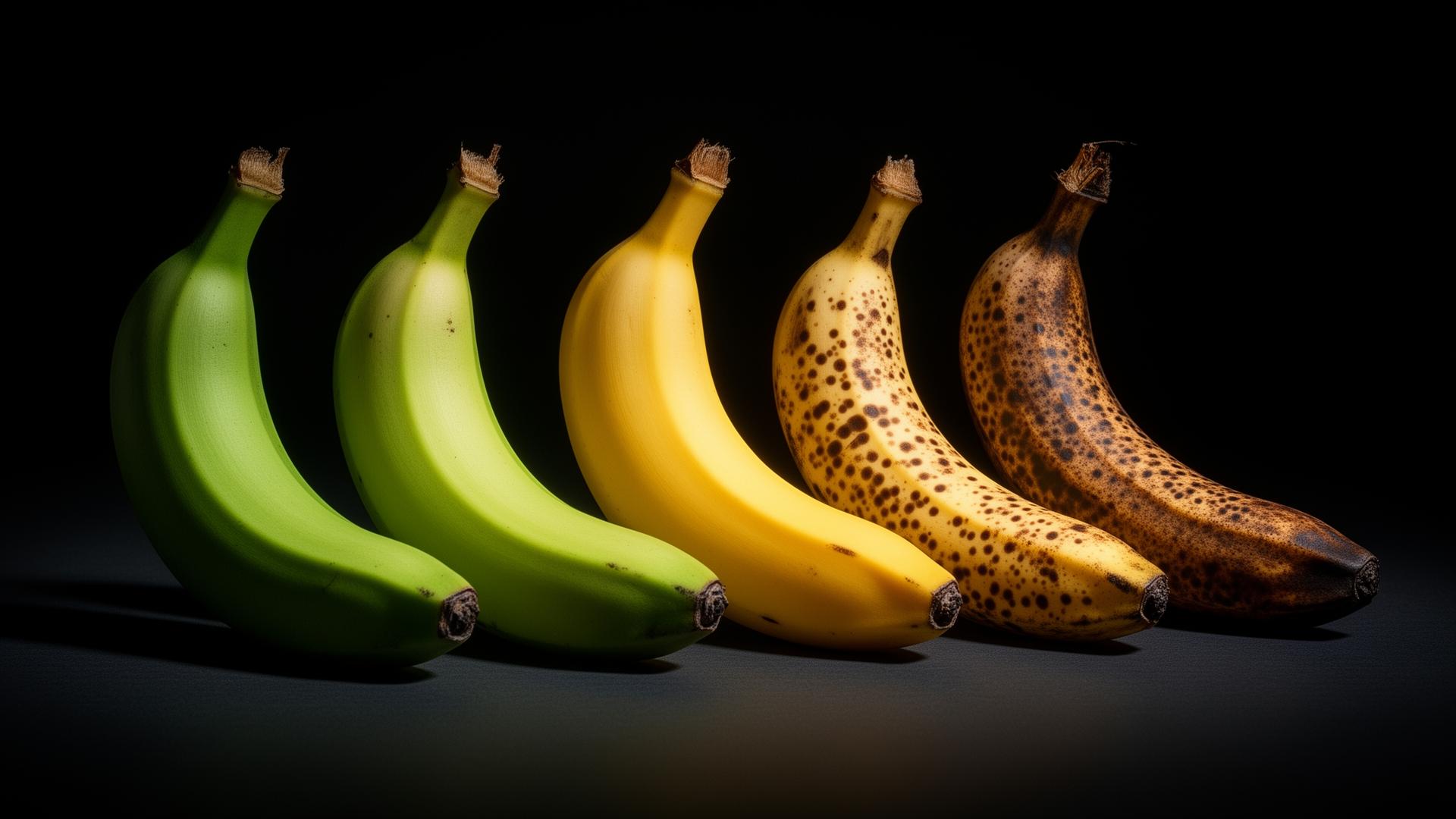
Green
Starchy, low sugar. Best for cooking — fry, boil, or grill like plantain.
Yellow-green
Firm, mildly sweet. Slice into oatmeal or salads. Lowest glycemic load.
Yellow
The cover-of-a-magazine banana. Peak balance of starch and sugar. Eat now.
Spotted
Soft, very sweet, easier to digest. Smoothies, nice cream, peanut butter toast.
Overripe
Almost custard inside. The only correct banana for banana bread. Or freeze.
Every number is traceable.
We blend public government data with live retailer feeds. No opaque models, no black-box estimates — every cell links back to its source.
USDA AMS
Agricultural Marketing Service · Specialty Crops
BLS CPI
Bureau of Labor Statistics · Banana series APU0000711211
Kroger API
Kroger Public Developer API · Products endpoint
Store scraping
Walmart, Trader Joe's, Whole Foods · same pipeline as Eggs.bot